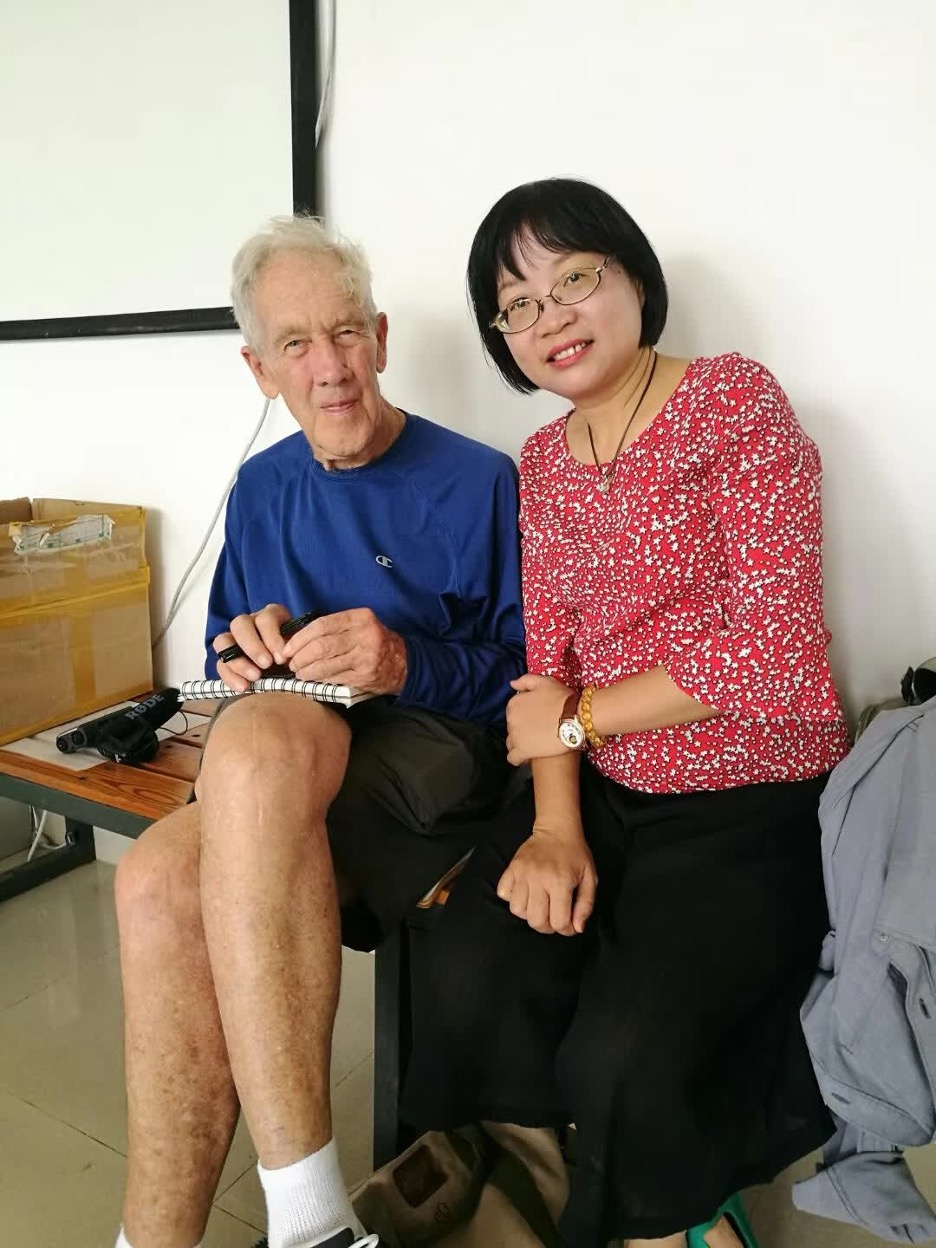
From June 28 to July 28, 2018, a group of young student volunteers gathered in Yantai, Shandong Province, China. Recommended by the architecture departments of their respective universities, these students hailed from the United States, Russia, South Korea, Mexico, Colombia, Guatemala, the Philippines, and China. Together, these thirty young visionaries contributed their creativity to build a unique Pacific Rim Park, a project of immense significance.
Taking advantage of the public holiday for Hong Kong’s handover, I visited Yantai during the long weekend. I told Drew that James, despite his age, had endured a flight of over ten hours to reach Yantai to contribute to Sino-US friendship. Since the flight from Hong Kong to Yantai is only about two hours and forty minutes, I knew I had to make time to see James and support him in any way I could.
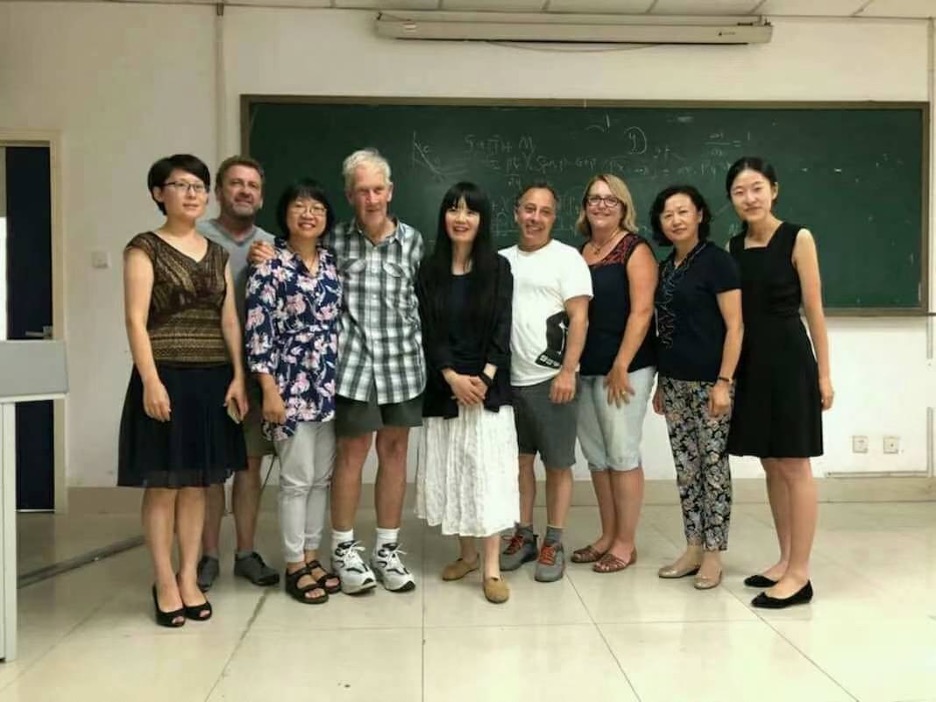
On the afternoon of June 30, the Yantai Municipal Government, the organizer of the project, arranged a seminar for the volunteers. The theme covered the astronomy, geography, geology, and climate of Yantai. A researcher from the city’s Geological Survey Bureau provided a wealth of technical information that left many of the young volunteers feeling confused. They wondered: What does all of this mean for the park we are planning?
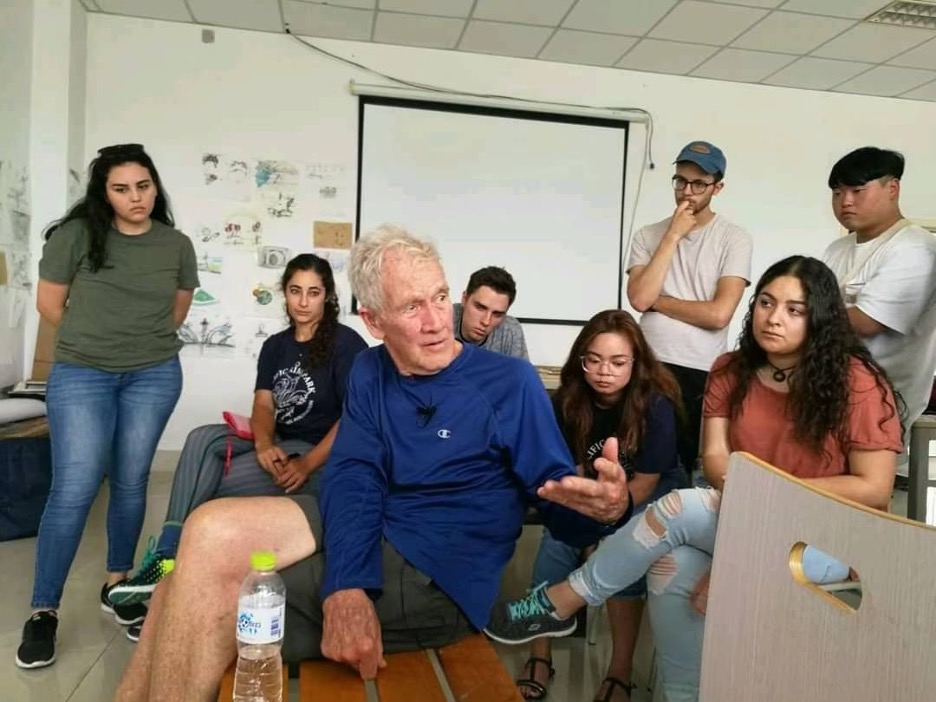
In the final session, the researcher introduced the Zhaoyuan Gold Mine, a local economic pillar with a history spanning several hundred years. James stood up to summarize the session, expressing his delight in learning about Yantai’s development.
“In fact, Yantai is full of gold, isn’t it?” James said. “Each of us carries gold molecules and ions in our bodies; we are all luminous beings. As the ancient Chinese saying goes, ‘Gold will always shine.’ The reserves in a mine are limited, but the gold in our bodies is infinite! The question is: Have we discovered it, polished it, and made it shine?”
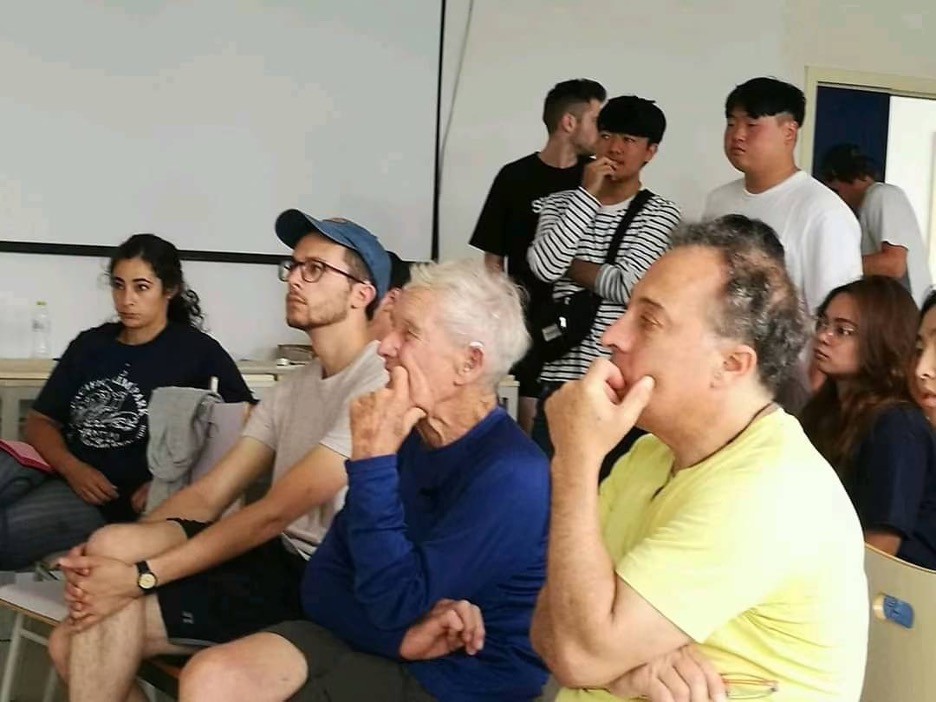
James’s words resonated deeply with me. He shared: “I, too, believed there was gold in my body. I began to think of the future; I told myself that one day, I would ask my wife, Anne, to fulfill a final wish: to scatter my ashes in the San Diego River. From there, they would flow into the Pacific Ocean, traveling along the Pacific Rim. I believe that eventually, a small part of me would reach Yantai on the other side of the ocean. It would enter the soil and nourish the earth. Perhaps one day, as you walk through a golden field of flowers, you will see a bloom that feels familiar. You might stop and ask, ‘Hey, is that you, James?’ I would make a funny face and reply, ‘Yeah, it’s me! You finally came to see me—I’m so happy you’re here!’”
James’s comments were met with enthusiastic applause. He is a kind and wise elder who not only respects those around him but inspires students with his imagination. He taught these aspiring architects how to uncover and tell stories. He reminded them that expertise is not achieved overnight; it requires a step-by-step journey of learning until those experiences become part of your own story to be shared on your own stage.
For me, one word from James is worth ten years of reading. The next morning, I woke early to walk along the Yantai seaside and enjoy the sunrise. I unexpectedly encountered a field of golden flowers. It was a moment of true serendipity. I stood there for a long time, documenting the beauty of the field with my camera.
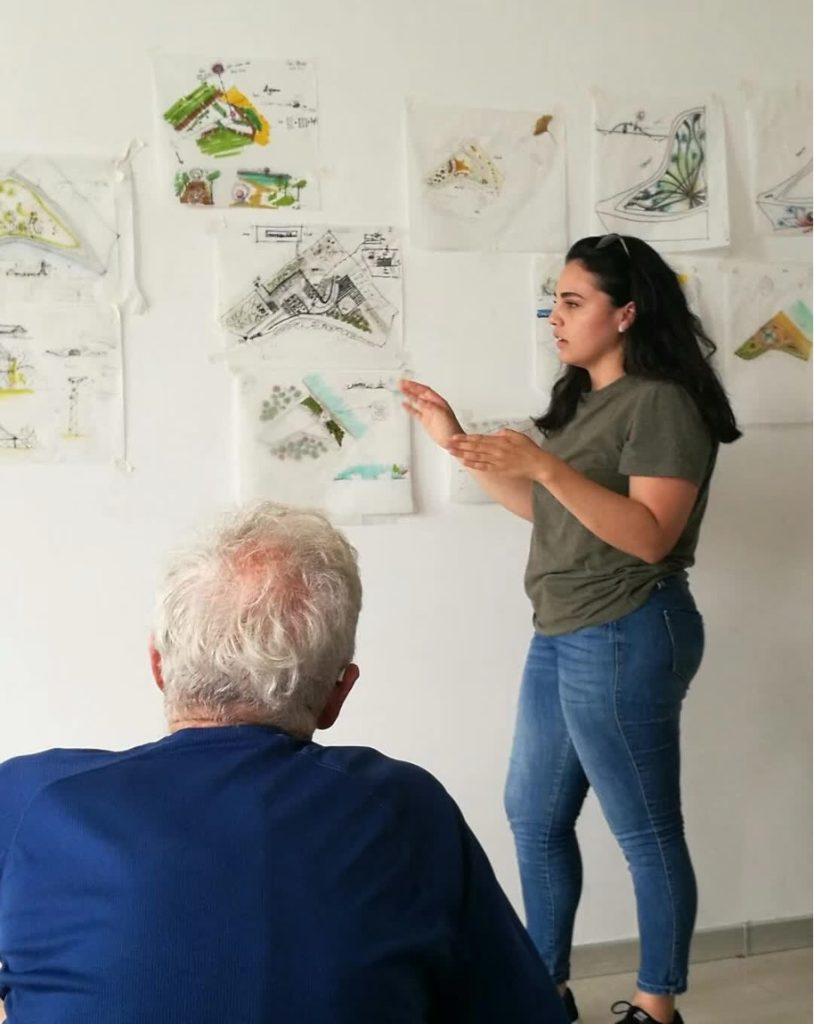
The spirit of the Pacific Rim Park is one of peace. Rose, a participant in a previous project, had just finished her wedding in Beijing a week prior but made a special trip to Yantai to reunite with old friends. When interviewed about her experience, she spoke of respect and inclusiveness. Students from over a dozen countries—each with different backgrounds and mindsets—worked together to complete a massive project in just one month. They learned to embrace one another and foster a spirit of integration that will serve them for a lifetime.
When Marianne asked for my thoughts as a spectator, I realized this: If these students can take James’s hints and wisdom to heart—if they can follow their own joy and creativity—they will find their own “gold.” That discovery will be the greatest gift of their trip to China.